


AICR
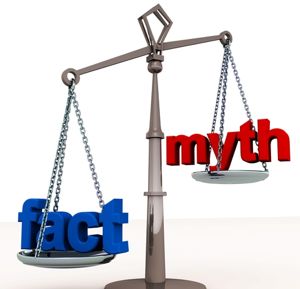 There’s a lot of information out there about what causes cancer and what you can do to prevent it. It’s easy to pick up the headlines from a single study or story and tell two friends who tell two more. Here at AICR, we get a lot of questions about what’s true or not: these are seven myths we frequently hear.
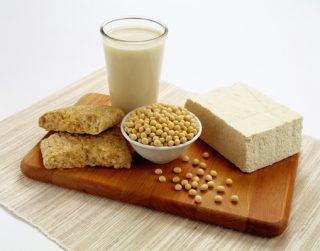
Breast cancer survivors should avoid soy.
Because soy foods like tofu and edamame contain phytoestrogens, which mimic the effects of estrogen, there was fear these foods could fuel estrogen-related cancers. Now, major population studies show that eating soy in moderate amounts – 1 to 2 standard servings a day – does not increase a woman’s risk for recurrence or death, and does not show harmful interaction with anti-estrogen medications.
Read more in AICR’s Foods that that Fight
Cancer: Soy.
Whether or not I get cancer is genetic, so I can’t do anything about it.
Not true. We know that not smoking, staying a healthy weight and other lifestyle factors can prevent an estimated one-half of cancer cases. Even if you have a genetic mutation known to significantly increase cancer risk — such as on the BRCA1 gene, it is not a guarantee you will get breast cancer, and it’s more important than ever to take preventive measures.

Drinking red wine is good for my health.
It’s tempting to believe, but for cancer – the answer is no. Alcohol, regardless of the source, is a carcinogen. Drinking alcohol regularly increases risk of seven cancers, including breast, mouth, and esophageal.
Read more in our eNews Drinking Alcohol
Raises Breast Cancer Risk.
More on red wine and health.
Although resveratrol, a compound in red wine, does reduce risk of cancers in lab studies, you can get it from other sources including grapes, blueberries, and even cocoa. Red wine may play a role in heart health, but the American Heart Association does not recommend anyone start drinking wine.
Read more about grapes and resveratrol in AICR’s HealthTalk.
 During treatment, cancer patients should rest as much as possible
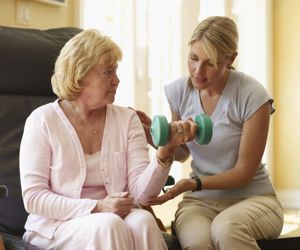 During treatment, cancer patients should rest as much as possible
Nope. Guidelines published in 2010 urge patients and survivors to avoid inactivity, with the goal to eventually meet the physical activity recommendations for all Americans. Aim for at least 150 minutes of moderate-intensity aerobics and two days of muscle strengthening activities per week as appropriate based on advice from each individual’s physician. Research suggests exercise can help survivors avoid fatigue, have improved quality of life, and possibly reduce risk of recurrence.
Read more in Cancer Research Update.
 Processed food is bad for me.
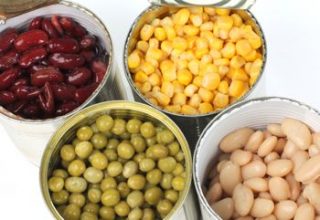 Processed food is bad for me.
Not necessarily. “Processed” has a negative connotation but there are plenty of processed foods that make healthy meals easier. Frozen veggies, canned fruit, or healthy soups are what we call minimally processed. When choosing these less processed foods, look for ones that are low in added salt, sugar and fat.
Aim for the minimally processed foods.
 Being a little overweight has no effect on my cancer risk.
 Being a little overweight has no effect on my cancer risk.
Sadly, it does. AICR’s expert report and its updates have found that any amount of excess body fat raises risk to some degree. Populations studies show that, overall, being overweight and obese is linked to higher risk of seven cancers. Updated estimates show that approximately 320 cases of U.S. cancers could be prevented every day if everyone was lean.
Read more about how body fat may lead to cancer: The Weight-Cancer Link.
 Taking a vitamin/mineral supplement lowers my cancer risk
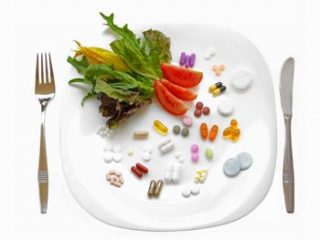 Taking a vitamin/mineral supplement lowers my cancer risk
Not that we know. When looking at all the evidence together, research suggests that taking a multivitamin or other supplement does not lower our cancer risk. In some cases, high doses of supplements have even been shown to increase risk. There is a lot of ongoing cancer prevention research with vitamin D and other supplements and some studies suggest certain populations may benefit. But for now, the research is clear: go for the whole foods.
Read more on our blog Supplements, Cancer Risk, and Health