




Karen Collins
Key Takeaways
- What you add to your diet matters just as much as what you remove. Replacing processed or fast food with more vegetables, fruits, whole grains and beans builds a protective eating pattern over time.
- Cutting back on processed meats, fast food and sugary drinks is a meaningful step, but the foods you choose instead determine whether that step moves your health forward.
- This blog shows you how to make meaningful, nutritious food swaps, such as tasty alternatives for excess meat, sweets and refined grains.
When people think about eating for better health, they often focus on what to stop eating. Cut the bacon. Skip the soda. Cut back on alcohol. These are reasonable goals that are backed by solid science.
But here’s the question that doesn’t get asked often enough: If I cut these foods, what should I replace them with? Simply put: not this, but what?
It may sound simple, but it’s the part of the equation that most people miss. If you stop eating bacon but reach for a bag of chips instead, that doesn’t create a healthy eating pattern. You’ve just swapped one problem for a different one. Reducing cancer risk isn’t only about removing less-healthful foods. It’s also about what you bring in to take their place.
The Problem with Thinking in “Good” and “Bad” Foods
Most of us have been trained to label foods as either good or bad. But that framing misses something important: The impact of any food depends a lot on the context of your whole diet.
Eating less red meat is a smart move for cancer prevention. Research shows that both processed meat and excess red meat increase the risk of colorectal cancer. But if you cut back on burgers and replace them with fast-food chicken sandwiches served on a refined grain bun, you aren’t getting all the benefits you could with a different choice for a replacement.
The same logic applies across dozens of everyday food decisions. When there’s a gap between what you eat and what the AICR Cancer Prevention Recommendations call for, the choices of what you do include matters to close that gap.
This is why researchers and nutrition experts focus on dietary patterns rather than single foods. Your overall diet —what you eat consistently, across meals and snacks throughout the week —is what shapes your long-term cancer risk. Scientists estimate that around 40 percent of cancer cases are preventable through healthy lifestyle choices, including eating well, being active and maintaining a healthy weight.
No Single Food Can Protect You Against Cancer
Research shows that a diet filled with a variety of vegetables, fruits, whole grains, beans and other plant foods helps lower risk for many cancers. Many individual vitamins and natural plant compounds called phytochemicals have anti-cancer effects. By including more of these foods in your meals, you will help reduce your risk of developing cancer.
What a Meaningful Swap Actually Looks Like
AICR’s New American Plate shares a practical way to plan healthy meals. The goal is to let plant foods including vegetables, fruits, whole grains and legumes (such as beans and soy foods) fill at least two-thirds of your plate. The remaining one-third is for protein-rich foods such as fish, poultry, dairy foods or tofu.
This isn’t about perfection or going hungry. It’s about proportion and what you’re actively choosing to add. When you crowd your plate with vegetables, whole grains and plant-based proteins, it’s easier to avoid excess calories and add fiber, vitamins and natural phytochemicals that help reduce cancer risk.
Here are some options for heathy food swaps.
Instead of sandwiches with processed deli meats like salami or bologna, try:
- Leftover grilled or baked chicken or turkey
- Mashed tuna or salmon
- Chopped egg
- Marinated grilled tofu
- Peanut butter
Instead of salty chips or pretzels, try:
- A small handful of nuts or seeds
- Air-popped popcorn
- Roasted chickpeas
- Sliced vegetables with hummus or other dip
- Whole-grain pita bread wedges with nut butter or avocado
Instead of red or processed meat, try:
- Beans or lentils
- Fish and seafood
- Poultry
- Tofu, tempeh or edamame
- A smaller portion of meat used as flavoring and paired with beans or tofu
Instead of snacking on cookies, try:
- Fresh fruit
- Frozen grapes or banana slices
- Dried fruit, such as raisins
- Trail mix
- Homemade energy bites with dates
Instead of an alcoholic drink, try:
- Alcohol-free wine or beer
- Sparkling water with a splash of fruit juice
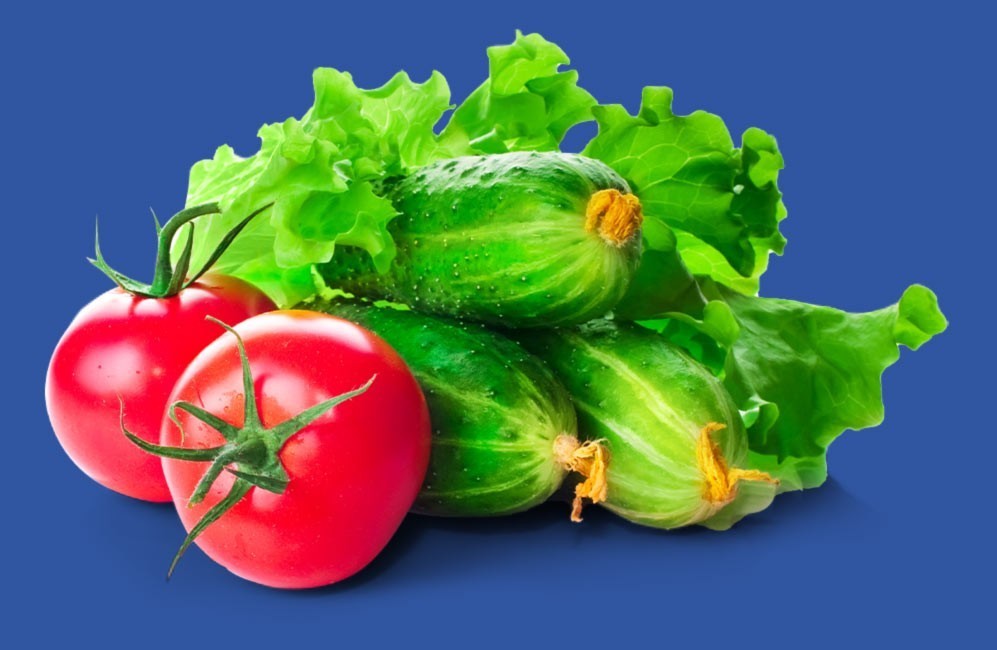
- Water with cucumber and mint
- Iced or hot herbal tea
Instead of white rice or white pasta, try:
- Brown rice
- Quinoa
- Pot barley
- Whole-wheat pasta or pasta made from lentils or chickpeas
- Farro or bulgur
Instead of French fries, try:
- Roasted sweet potato wedges
- Baked potato slices brushed with olive oil
- Roasted chickpeas
- Carrots, zucchini or broccoli, roasted until caramelized
Why Should I Eat More Plant Foods?
There’s a reason AICR’s Cancer Prevention Recommendations keep coming back to vegetables, fruits, whole grains and beans. These foods offer something that most processed snacks and fast food simply can’t: a dense package of nutrients that work together to protect your health.
Fiber, for example, plays a key role in digestive health and helps lower risk of colorectal cancer. AICR recommends at least 30 grams of dietary fiber daily, yet most U.S. men get 18 g and women get 15 g per day. Plant foods also deliver vitamins, minerals and phytochemicals (natural compounds found only in plants) that appear to work best when eaten together in whole foods rather than as isolated supplements.
There’s a practical bonus, too. Most plant foods are lower in calories than the highly processed or animal-based foods they replace, so your meals can be larger and more filling while still supporting a healthy weight. Maintaining a healthy weight is one of AICR’s key Recommendations for reducing cancer risk, and it’s much easier to do when the foods filling your plate are high in water and fiber.
Building the Habit: Start with One Swap
You don’t need to change everything at once. In fact, small changes you can stick with are far more valuable than dramatic overhauls that don’t last.
Start by identifying one thing you’d like to cut and then asking yourself, “not this, but what?” at one meal a day:
- Notice what you removed or want to cut back on.
- Choose a replacement that adds fiber, protein and/or plant nutrients.
- Build from there once the new habit starts to feel normal.
The New American Plate isn’t strict. It’s a flexible guide that works across cuisines, budgets and lifestyles. For example, a stir-fry loaded with vegetables and a small amount of chicken fits the model just as well as a grain bowl topped with roasted chickpeas and leafy greens. What matters is choosing more foods with real benefits for your health.
Every vegetable added, every refined grain swapped for a whole grain, every sugary drink replaced with water —these choices add up. They build an eating pattern that research links to lower cancer risk, better weight management and stronger overall health.
The next time you decide to cut something out, ask yourself: not this, but what? That answer might matter more than the cut itself.