





Cara Rosenbloom, RD
Key Takeaways
- Chronic inflammation is linked to an increased risk of certain cancers. AICR spoke with dietitians to explore how nutrition can support a healthy inflammatory response and help reduce cancer risk.
- This blog highlights foods to eat more often, including vegetables, fruits, legumes and whole grains. It also highlights foods and drinks to limit, such as processed meats, sugary drinks and alcohol.
- Overall eating patterns matter more than individual foods. You don’t need to overhaul your entire diet. Small, sustainable changes can help you build healthier eating habits over time.
What you eat can play an important role in your overall health, including your body’s inflammatory response. Research suggests that certain dietary patterns may help reduce chronic inflammation and lower the risk of some cancers.
So, what should you eat more often? And which foods and drinks are best to limit?
To explore the connection between diet, inflammation and cancer, AICR spoke with registered dietitians across North America. Read on to learn their advice on building an eating pattern rich in foods that support long-term health.
But First, What Is Inflammation?
Inflammation is a normal part of the body’s immune response. Acute inflammation is a short-term reaction to an injury or infection, like when you get a small cut or catch a cold. It happens quickly and often resolves within hours to a few days.
Chronic inflammation is different. It occurs when the immune system remains activated for an extended period, even when there is no longer a threat. Over time, it can damage healthy cells and increase the risk of certain diseases, including some cancers.
Chronic inflammation has several causes. It can be linked with genetic or autoimmune conditions, such as Crohn’s disease and lupus. It also may link to lifestyle factors including smoking, excess alcohol, poor diet, lack of exercise and ongoing stress.
While we can’t control every cause of inflammation, we can take steps to support our health through everyday lifestyle choices.
Steps to Combat Chronic Inflammation
Some everyday habits can help support a healthy inflammatory response. It may help to:
- Follow a plant-rich, balanced eating pattern
- Be active for 150 minutes per week and include strength training 2–3 times per week
- Avoid or reduce alcohol
- Quit smoking or vaping
- Prioritize quality sleep, aiming for 7–9 hours per night
- Manage stress by doing things you enjoy, such as hobbies, socializing or spending time in nature
Foods to Eat More Often
Research suggests that an overall dietary pattern rich in plant foods may help support a healthy inflammatory response. Rather than relying on single foods, dietitians recommend eating a variety of plant-based foods.
“An anti-inflammatory diet is a plant-rich diet,” explains Brenna Howsepian, RDN, CDCES, an oncology and GI dietitian at Sutter Pacific Medical Foundation in Santa Rose, California.
Fill your plate with a variety of fiber-rich vegetables, fruits, whole grains, legumes, nuts and seeds, along with other nutritious foods. Here are some to include regularly:
Vegetables: Choose a variety of colors, from orange carrots to green spinach to purple eggplant. Enjoy vegetables raw or cooked, and remember that fresh, frozen and canned are all good options.
Fruits: Enjoy berries, apples, oranges, pears and any other favorites. Choose whole fruit more often than juice. Whole fruit provides fiber, which is lost when fruit is juiced.
Legumes: Beans, lentils, chickpeas and other legumes deliver fiber, plant protein and a range of nutrients. Try adding lentils to soup, chickpeas to salads or black beans to tacos. Beans can also replace some or all the meat in dishes such as chili, tacos and pasta sauce.
Whole grains: Oats, barley, brown rice and whole wheat bread are useful swaps for refined grains. Research links eating about 90 grams of whole grains daily (three servings) with a 17 percent lower risk of colorectal cancer. One serving is about one slice of whole grain bread or a ½ cup of cooked brown rice, quinoa or whole-grain pasta.
Nuts and seeds: Nuts and seeds contain fiber and healthy fats. Add ground flaxseeds to yogurt, sprinkle almonds or walnuts onto salads or enjoy a small handful of mixed nuts as a snack.
Fatty fish: Oily fish such as salmon, tuna, trout and sardines contain omega-3 fats, which have anti-inflammatory properties. Enjoy salmon or tuna sandwiches, sushi or poke bowls.
Olive oil: Polyphenols in extra virgin olive oil may help reduce inflammation.
Herbs and spices: Garlic, fresh herbs (parsley, basil and cilantro) and spices such as turmeric and ginger add flavor and beneficial plant compounds to meals.
Coffee and tea: Coffee and tea contain plant compounds that may have anti-inflammatory effects. Research has also linked coffee with a lower risk of liver and endometrial cancer.
Foods and Drinks to Limit
A healthy dietary pattern isn’t about achieving a perfect diet or eliminating every favorite food. It’s about the balance of choices made over time. Limit foods and drinks that may increase inflammation or increase cancer risk, such as:
- Sugar-sweetened drinks: Soda, sweetened teas, energy drinks and other sugary beverages can add calories without providing much satiety. Drinking these frequently can lead to weight gain, which increases the risk of 12 types of cancers. Choose water or unsweetened beverages more often.
- Refined grains: White bread, white rice and many products made with refined flour contain less fiber than their whole-grain counterparts. Swap in whole-grain alternatives when you can.
- Fast foods and foods high in fat, salt or sugar: Many fast foods, packaged snacks, sweets and desserts can be high in calories and low in fiber. Regularly eating these foods in large amounts can make weight management more difficult. The goal is to enjoy them less often while making nutritious foods the everyday foundation of meals.
- Processed meats: Bacon, hot dogs, ham, salami and many deli meats are associated with an increased risk of colorectal cancer. AICR recommends eating little, if any, processed meat. Try tuna, turkey, hummus, cheese, other protein-rich foods in sandwiches and main dishes.
- Alcohol: Beer, wine and spirits all contain alcohol, which increases the risk of several cancers. For cancer prevention, AICR recommends not drinking alcohol.
Eat a Variety of Foods
What matters more than any individual food you eat is your overall eating pattern over time, explains Avery Zenker, RD, a registered dietitian at Health for Life Medical Centre in Kingston, Ontario. She says that research on cancer prevention is stronger for overall dietary patterns than for individual foods or nutrients. “What we eat most often matters more than what we eat occasionally,” says Zenker.
“Individual foods are limited in the nutrients they provide,” adds Anne Levine, MS, RD, CDN, from The Cancer Institute at St. Francis Hospital in East Hills, New York. “Eating a variety of plant foods will increase the phytochemicals, vitamins and minerals you are consuming. This will provide additional protective effects against cancer and other chronic illnesses.”
One way to build variety into your meals is to follow AICR’s New American Plate. It encourages filling at least two-thirds of your plate with vegetables, fruits, whole grains and beans, and no more than one-third with animal protein. This simple approach helps make plant foods the foundation of your meals.
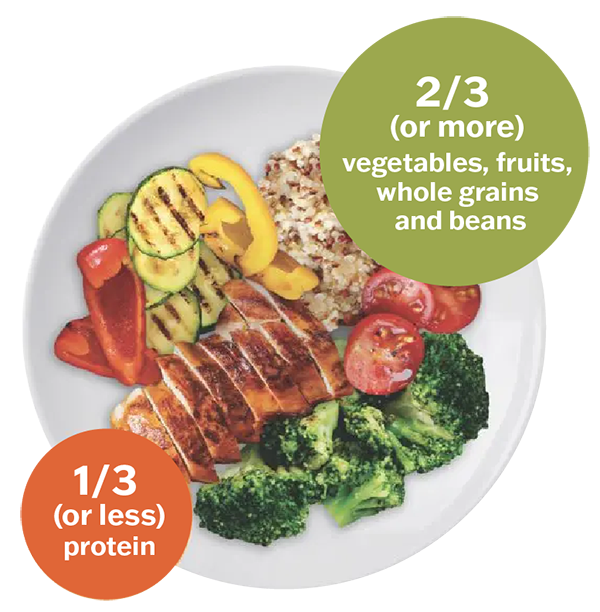
Figure 1 AICR’s New American Plate
Small Steps for Big Impact
Johnson, who practices in Knoxville, Tennessee, says that the most common error she sees about implementing an anti-inflammatory diet is thinking you must completely overhaul the way you eat. “The truth is that the small steps add up and make a big impact long-term. I recommend setting simple and doable goals,” says Johnson.
Howsepian agrees. With her patients, she recommends identifying just one or two things to fix, then finding strategies to work on. “The first step is simply building awareness, which creates an opportunity for change, she says. “Small, intentional changes that you can consistently maintain are what help build healthier long-term habits.”
Making changes to your diet doesn’t have to happen overnight. Start by adding a serving of vegetables to one meal or swapping refined grains for whole grains. Over time, these small changes can help build an eating pattern that supports long-term health and cancer prevention.
