



Teresa
In today’s issue of Cancer Research Update, Dr. Robert S. Chapkin describes how omega-3 fatty acids may prevent cancer by acting in special regions of the cell known as lipid rafts.
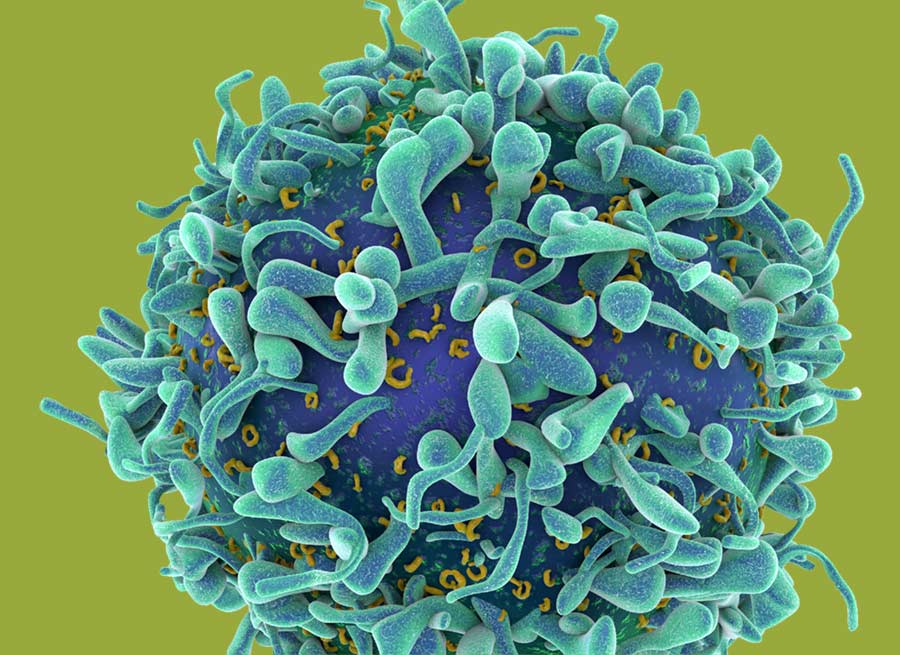
 Lipid rafts are cholesterol-filled “bubbles” found in the cell membrane—a protective outer covering that surrounds the cell. These bubbles are like staging areas for many cellular activities, including those that prevent cancer. Interspersed among the cholesterol are key proteins that can kill cancer cells.
A study published earlier this year provides another familiar dietary compound that may work in the lipid rafts: resveratrol.
Resveratrol is a chemical produced by certain plants such as grapes to protect the plants from disease.
This unique compound may protect humans from disease, as well.
The study, published in the journal Cancer Prevention Research, showed that when resveratrol came in contact with the cell membrane of colon cancer cells, the membrane wrapped around the resveratrol and deposited it in the cholesterol-rich lipid rafts.Once there, the resveratrol switched on several processes that promoted the death of cancer cells.
The authors of the study pointed out that more research is needed in order to understand how compounds like resveratrol accumulate in cells and promote cancer cell death.
Resveratrol is present in many foods including red grapes, red berries, and peanuts. Not only are these foods tasty and full of nutrients, but they just might offer protection from cancer.