





Cara Rosenbloom, RD
Key Takeaways:
- The New Year often leads people to make resolutions about health and wellness. Setting goals correctly can lead to lifelong healthy habits, and this blog will teach you how.
- Setting SMART goals that are Specific, Measurable, Attainable, Realistic and Time-framed helps increase your chances of successfully sticking to your plan.
- Start with one actionable change at a time to help make healthy habits stick. Once a new habit becomes routine, you can confidently add another to build a healthier lifestyle over time.
A new year is a great time to pause and take stock of what’s working well in your life and what may need to change. About 30 percent of Americans say they make New Year’s resolutions, and many of the goals focus on health, nutrition and physical activity. For many, a looming new year is a reminder that health deserves steady, sustainable care, rather than quick fixes.
Instead of making a resolution, consider setting the groundwork for adding a lifelong healthy habit to your routine. Start goal setting for healthy habits by choosing a small, sustainable goal that is clear, measurable and achievable. It’s easier to succeed when you set goals correctly. Here’s how.
Set SMART Goals
Most of us start January with good intentions, but resolutions can feel overwhelming when we’re not sure where to begin. The good news? You do not need perfection to support your health. You just need consistent, doable actions tied to what matters to you. Small shifts in your daily routine lead to healthy habits that can help lower cancer risk over time. Those shifts are much more achievable when you set goals that fit your life.
To prepare for success, state goals properly using the SMART guide:
- Specific
- Measurable
- Attainable or achievable
- Realistic
- Timely or time-framed
A vague goal is difficult to follow through with because it doesn’t meet the SMART criteria. Something like “I will exercise more” is a nugget of an idea, but it isn’t s SMART goal because it’s not specific, measurable or time framed. How much is “more” exercise? How can you measure “more?” By when will you achieve this goal?
Making this a smart goal will sound more like this:
I will walk for 10 minutes after dinner every weekday.
This is now specific, because days and times have been noted. If you’ve been inactive, this goal is also realistic (it would not be realistic to go from being inactive to running a marathon). It is measurable because you can keep track of how often you walk after dinner. This goal meets all the SMART criteria.
Set Goals for a Healthy Lifestyle
Not sure where to begin? Start with one of AICR’s 10 Cancer Prevention Recommendations. The list includes many actionable ideas that you can turn into specific personal goals and habits, such as:
- Be physically active
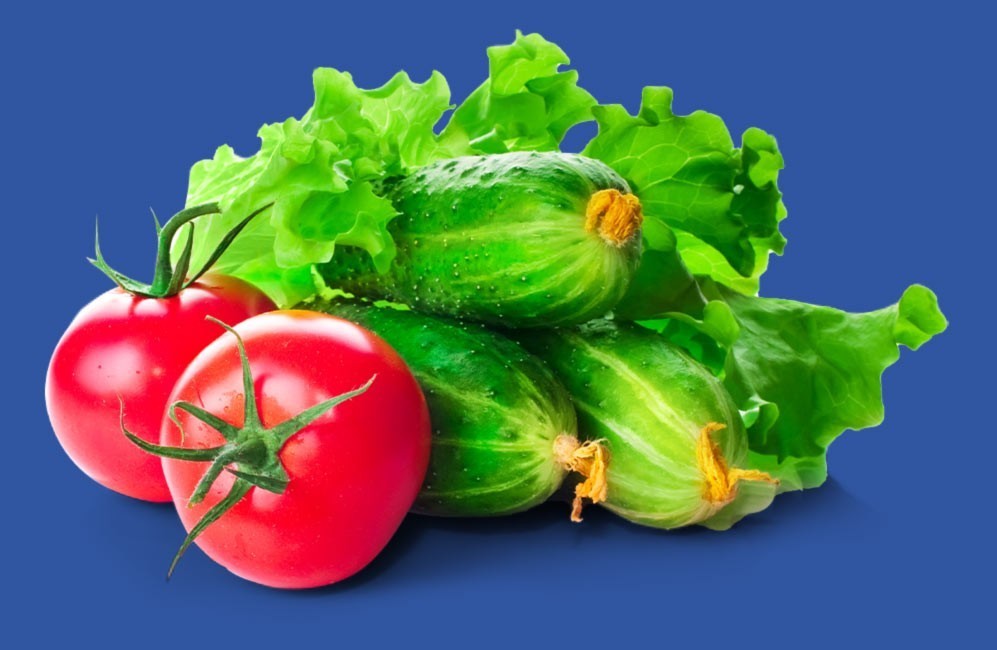
- Eat a diet rich in whole grains, vegetables, fruits and beans
- Limit consumption of “fast foods” and other processed foods high in fat, sugar or starch
- Limit red and processed meat
- Limit sugar-sweetened drinks
- Limit alcohol consumption
Here are some examples of turning AICR Recommendations into personalized SMART goals.
Take this recommendation: I will eat a diet rich in whole grains, vegetables, fruits and beans.
Personalize it and make it SMART:
- I will add one additional ½ cup of vegetables to my lunch every weekday.
- Starting with this grocery run, I will buy whole-grain bread instead of white bread and use it for my morning toast every day.
Take this recommendation: Limit alcohol consumption
Personalize it and make it SMART:
- When I meet my friends for drinks after work on Wednesdays, I will have one non-alcohol mocktail instead of an alcohol-based drink.
- On Sundays when I watch football, I will drink one beer instead of three beers. I will try non-alcohol beer to replace the other two beers.
Take this recommendation: Limit sugar-sweetened drinks
Personalize it and make it SMART:
- Instead of having two cans of soda each day, I will replace one can with sugar-free sparkling water instead
- Three times a week, instead of ordering my usual very sweet, syrup-and sugar filled coffee smoothie or frappe (with more than 10 teaspoons of sugar), I will keep it simple by ordering coffee with 1–2 teaspoons of sugar.
Your SMART goal checklist
Pick a goal that works for you based on a habit you want to change. Write down your goal and ask yourself:
- When will I start this goal?
- How often will I do this new habit?
- Can this easily fit into my lifestyle and is it realistic?
- Is it too vague or do I know exactly what I plan to do?
- Do I have a clear path on how to achieve this goal?
- Have I set my self up to succeed?
- Are there any barriers to consider, such as time constraints or high costs?
- Is there a way to track my progress or measure if I’m meeting my goal?
Add a New Goal Later
It usually takes three to four weeks for a new lifestyle change to become an integrated part of your life. The first few days will feel different and new, but slowly you will get used to it.
Once the new goal is a daily habit, it’s a good time to choose a new, additional goal to add in. So, perhaps you added a serving of vegetables to your weekly lunches. Now that it has become a regular part of your life after about a month, it’s time to also cut out one can of pop and replace it with sparkling water.
You can also add new habits into your usual routine by habit stacking. That’s when you add a new habit onto an existing habit, which makes it easier to remember and incorporate. If you build new habits on top of established habits, you have a better chance of making the new habit become routine. For example, do five minutes of exercise after your brush your teeth every morning.
Set Goals with Friends or Family
Change is hard to do alone. Set goals with a spouse, parent, child or friend and hold each other accountable. And tell someone your goals to help keep you focused.
Remember that change doesn’t happen overnight. Start small and build on your goals over time to work toward a healthier you.