



Mya Nelson
A new Swiss study that suggests dietary cadmium may increase breast cancer risk is intriguing, but a strong body of evidence shows that women should not shy away from eating whole grains and other healthy foods to reduce their risk of this disease.
The study, published in Cancer Research, estimated the amount of cadmium almost 56,000 women were consuming. Cadmium is a metal found in low amounts in the soil, air and water.
Study researchers estimated the dietary cadmium by asking the women about their diet when the study began in 1987. They then used national data to estimate cadmium content for each food and divided the women into three groups of cadmium consumption: low, medium, and high.
Then the women were tracked for approximately 12 years.
When looking at only the women who consumed the highest amounts of whole grains and vegetables, the highest dietary cadmium group linked to a 21 percent increase in post-menopausal breast cancer compared to those in the lowest group.
Yet within each group of cadmium exposure –low, medium or high – those who consumed the most whole grains and vegetables had the lowest risk of postmenopausal breast cancer.
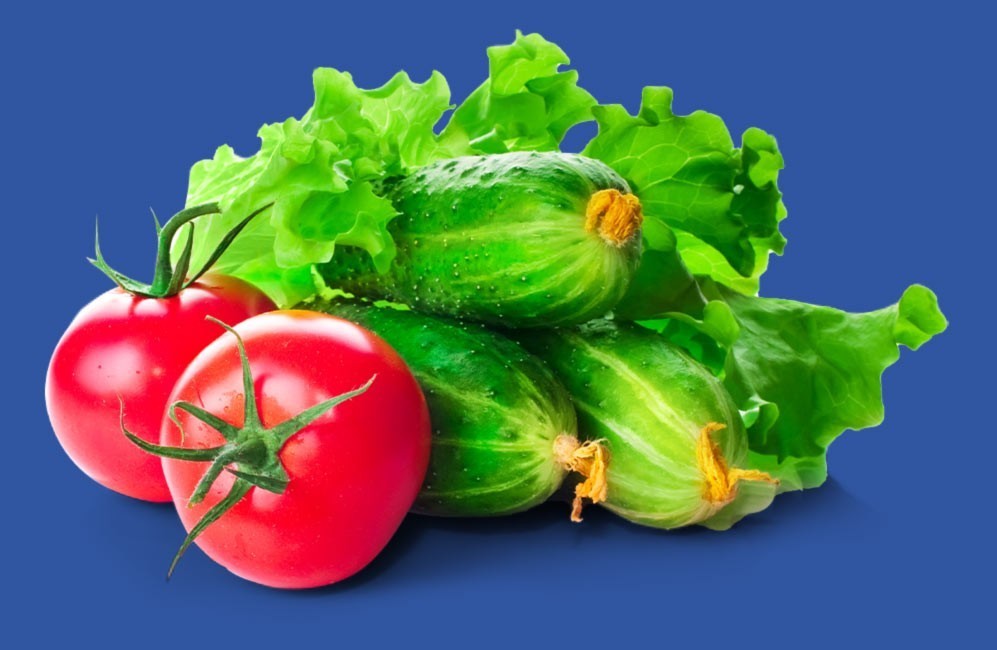
As the authors note, vegetables, whole grains and other plant foods contain compounds well studied for their cancer-preventive activity. These foods are also important for weight control.
Maintaining a healthy weight is one of the established ways women can reduce their risk of breast cancer. After systematically reviewing all the evidence on lifestyle factors related to breast cancer risk, AICR/WCRF’s Continuous Update Project (CUP) report on breast cancer concluded that excess body fat and alcoholic beverages increase the risk; breastfeeding and exercising regularly were found to reduce the risk.
In all, AICR estimates that 38 percent of cases of breast cancer cases in the United States could be prevented through a healthy diet, activity, and healthy weight.
This new study certainly adds to the body of research, but more studies are needed to draw any conclusions on the link between dietary cadmium to breast cancer. All studies related to dietary factors and breast cancer risk will be added to the CUP database for future review.
All studies related to dietary factors and breast cancer risk will be added to the CUP database for future review.
For ways to reduce your risk of breast cancer, visit here.