




AICR
Simply put? Yep.
“Processed meat” is any meat that’s preserved by salting, smoking or curing, or by adding chemical preservatives. That means sausage, bacon, cold cuts like pastrami and salami, hot dogs and, yes, ham.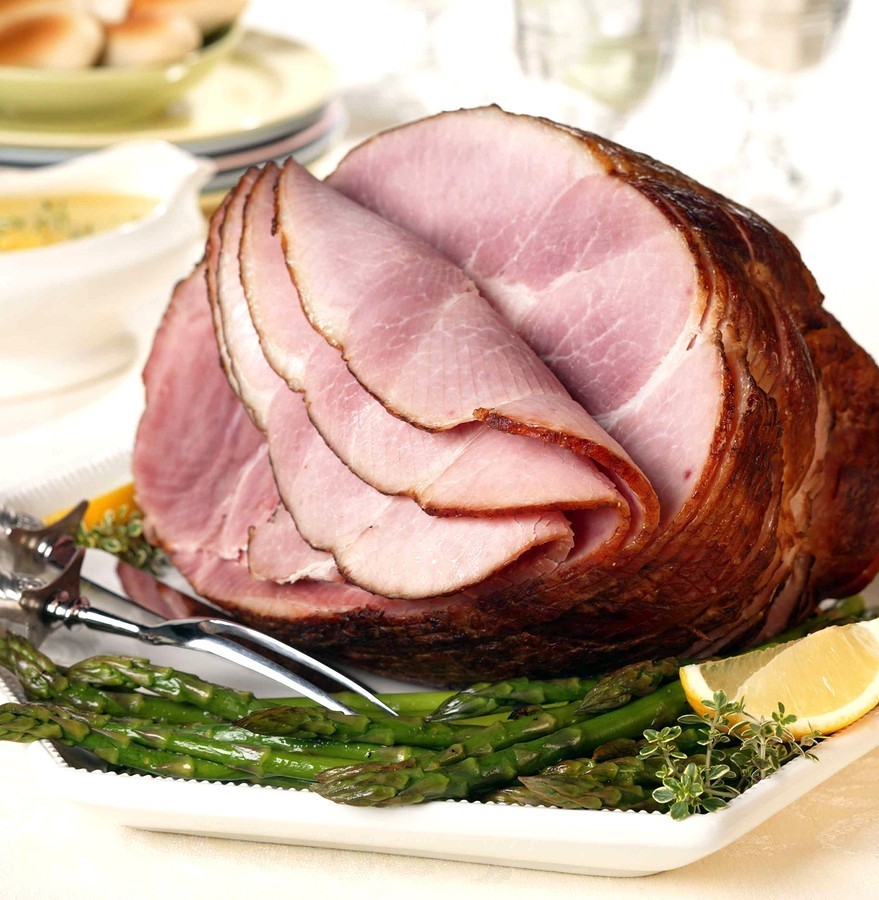
Why does it matter whether or not ham counts as processed meat? Because the evidence on processed meat is different than the evidence on red meat, so our recommendations are different, too.
AICR’s expert report and its updates have consistently and convincingly shown that diets high in red meat are a cause of colorectal cancer. This is why we recommend moderating red meat intake to keep it below 18 ounces (cooked) per week. In studies, consumption at or below this threshold is not associated with increased risk.
When it comes to processed meat, the evidence is just as consistent and convincing — but a good deal more stark. That’s because the evidence on processed meat suggests that no “safe threshold” exists. A modest increase in risk for colorectal cancer is seen with even occasional consumption of processed meat, and continues to rise as consumption increases.
This is why we recommend moderating red meat intake, but avoiding processed meat altogether.
Now, let’s put this advice in perspective. It’s not like an occasional indulgence — a hot dog at a ball game, say, or a slice of ham at Easter or Christmas — will give you cancer. So if you love ham, go ahead and help yourself to a bit on Christmas night. By saving processed meats for special occasions, you’ll find it easier to live for lower cancer risk throughout the holidays, and all year round.