



Cara Rosenbloom, RD
Key takeaways:
- AICR commissioned a survey to gauge Americans’ knowledge about cancer risk.
- Fewer than half of Americans recognize that diets high in red meat and diets low in vegetables, fruits and fiber are linked to cancer development.
- Since past surveys, more Americans are now aware that genetics, insufficient physical activity and too much alcohol are linked to cancer risk.
Every few years, AICR commissions a survey to gauge Americans’ knowledge about cancer risk. From red meat to exercise to alcohol, we ask Americans about what they think may increase cancer risk. The results help identify where more education is needed so AICR can create resources, newsletters and blogs to fill in gaps in cancer-risk awareness.
This blog outlines what we learned in the most recent survey. You will learn the risk factors for different types of cancer and read practical advice for lowering your cancer risk.
Established cancer risk factors
Based on more than 40 years of research, many risk factors for cancer have been identified. We used the risk factors on this list to prepare the survey questions.
| Risk Factor | May increase risk of these types of cancer |
| Obesity | Colorectal Breast (post-menopausal) Ovarian Esophageal Endometrial Kidney Pancreatic Gallbladder Stomach Liver Mouth/pharynx/larynx Advanced prostate |
| Not enough physical activity | Colorectal Breast Endometrial |
| Alcohol | Colorectal Breast Mouth/pharynx/larynx Liver Esophageal Stomach |
| Low intake of vegetables and fruits | Colorectal Mouth/pharynx/larynx |
| Low intake of fiber | Colorectal |
| High intake of red meat | Colorectal |
| High intake of processed meat | Colorectal Stomach |
Survey results
Do Americans make the connection between cancer and these risk factors? That’s what the survey helps us learn. Here are some key highlights:
Body weight and cancer risk
62 percent of Americans are aware of the link between obesity and cancer risk.
Awareness of the link between obesity and cancer risk has grown considerably. In 2025, 62 percent of survey respondents answered “yes” when asked “Do you believe obesity and overweight has a significant effect on whether or not the average person develops cancer?” When this question was first asked in 2001, only 35 percent said “yes.”
It is encouraging that Americans are becoming more aware of the effects of overweight and obesity, but awareness levels still need to be higher. Aside from not smoking, maintaining a healthy weight throughout life is the single most important way to protect against cancer. AICR research has found strong evidence that obesity increases the risk for 12 types of cancers.
Advice: Keep your weight within the healthy range, as decided between you and your healthcare team. Try to avoid excess weight gain in adult life. Eat well using advice from AICR’s New American Plate and exercise regularly.
Diet and Cancer Risk
Fiber
38 percent of Americans are aware of the link between diets low in fiber and cancer risk.
Despite the strong evidence showing that fiber lowers the risk of colorectal cancer, this fact is not well known. AICR will continue to amplify the message that fiber is found in vegetables, fruits, beans, nuts, seeds and whole grains.
Advice: Aim for at least 30 grams of fiber per day from a variety of plant-based foods.
Fruits and vegetables
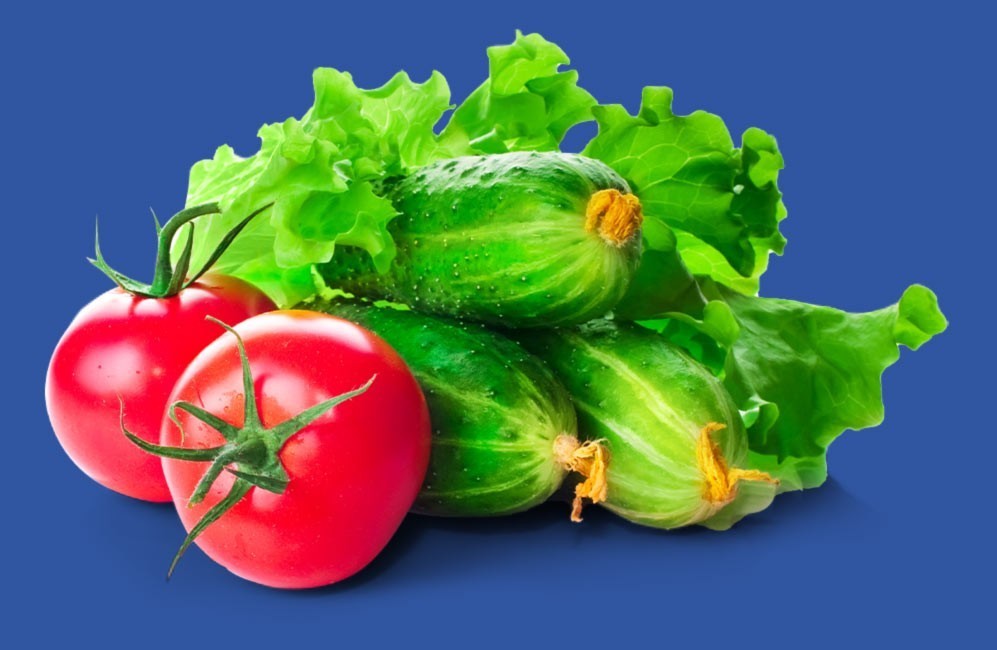
45 percent of Americans are aware of the link between diets low in fruits and vegetables and cancer risk.
There is clear evidence that diets high in fruits and vegetables decrease the risk for several cancers. This is likely due to the mix of fiber, vitamins, minerals and antioxidants in fruits and vegetables, which have protective effects against cancer.
Advice: Follow the advice in AICR’s New American Plate, which recommends filling 2/3 of your plate with fruits, vegetables, beans and whole grains at meals.
Red and processed meat
42 percent of Americans are aware of the link between red meats and cancer risk.
50 percent of Americans are aware of the link between processed meats and cancer risk.
There is slightly more awareness of the link between processed meat and cancer compared to previous surveys. AICR will continue to share the information that eating any processed meat and eating more than 18 ounces of red meat weekly can increase your cancer risk. For reference, a three-ounce portion of meat is about the size of a deck of cards.
Advice: If you eat red meat, limit the consumption to no more than 3 portions a week or about 12–18 ounces (cooked). Eat little, if any, processed meat.
Alcohol and cancer risk
58 percent of Americans are aware of the link between alcohol and cancer risk.
This awareness has risen 13 percent since AICR last conducted the Cancer Risk Awareness Survey in 2019. More than half of survey respondents now recognize that alcohol is linked to cancer.
Research shows that all types of alcohol are a clear and convincing cause of several cancers. This is true for beer, liquor and wine.
Advice: For cancer prevention, it is best not to drink alcohol at all. Even one drink of alcohol daily can increase the risk of some cancers. If you’re going to drink despite this evidence, limit your intake. Any reduction in alcohol consumption can help lower your risk for developing cancer
Physical activity and cancer risk
53 percent of Americans are aware of the link between inactivity and cancer risk.
Awareness that low levels of physical activity play a role in cancer risk is at 53 percent, which is an increase from just 35 percent in the 2001 survey. The current level of awareness is the highest level in the history of the AICR Cancer Risk Awareness Survey.
Being physically active helps protect against cancer. Physical activity helps lower the levels of certain hormones, elevated levels of which increase the risk of some cancers. Physical activity also helps prevent the buildup of excess body fat, which itself is linked to 12 types of cancers.
Advice: Be active for at least 150 minutes a week. Broken down, this is just 30 minutes of exercise five days a week.
About the SurveyThe intent behind the survey is to gauge Americans’ awareness of various lifestyle-related cancer risk factors. A random sample of Americans ages 18 and older were contacted on behalf of AICR by SSRS using the SSRS Opinion Panel Omnibus Survey (online or by phone). One thousand thirty-four Americans participated in this survey. Survey data was collected between December 16–18, 2024, with a margin of error of plus or minus 3.8 percent.
For risk factors, respondents were asked, “Which of the following do you believe has a significant effect on whether or not the average person develops cancer?” Respondents were given the option to answer “yes,” “no,” “don’t know” or “refused.”
AICR commissioned its first Cancer Risk Awareness Survey in 2001. The current results mark the tenth edition of the survey.