




AICR
Key Takeaways:
- World Cancer Research Fund International recently launched a major new report on the role of dietary and lifestyle patterns (DLP) for cancer prevention.
- The Report provides further clarity on DLP recommendations for breast and colorectal cancer prevention following a comprehensive review of 170 global studies.
- Adopting healthy DLP could also have important environmental and societal benefits and more can be done by policymakers to support DLP adoption globally.
World Cancer Research Fund (WCRF) International has released a major new report called “Dietary and lifestyle patterns for cancer prevention.” The report was managed by WCRF international in partnership with the American Institute for Cancer Research (AICR).
The report emphasizes that analyzing dietary and lifestyle patterns (DLP) together, rather than looking at single nutrients or food groups, can help researchers and the public better understand the factors that play a role in reducing cancer risk. The findings were judged by an independent panel of experts who concluded that there was strong evidence of health benefits from following these new DLP recommendations.
Dietary patterns refer to quantities, proportions, combinations and varieties of different foods, drinks and nutrients, and the frequency with which they are consumed. DLPs refer to a combination of a certain dietary pattern with other measures such as body weight and behavior-related risk factors including physical activity, alcohol consumption and smoking.
Insights gleaned from this type of report can support improvements in cancer prevention strategies (including policy guidance) and support populations around the world to adopt healthy DLPs.
This work is part of WCRF International’s Global Cancer Update Program (CUP Global), which is the world’s largest source of scientific research on the impact of diet, nutrition, physical activity and body weight on cancer prevention and survivorship.
How the Report Was Created
Two research teams from the Harvard T.H. Chan School of Public Health and the Health Research Institute of the Balearic Islands used CUP Global methodology to conduct a comprehensive review of research on breast and colorectal cancer incidence and mortality. WCRF International worked with an expert panel who judged the evidence and made recommendations on the characteristics of a cancer-preventing dietary and lifestyle pattern.
The Report provides further clarity on DLP recommendations for breast and colorectal cancer prevention following a comprehensive review of 170 global studies.
Reducing Risk of Colorectal Cancer
For colorectal cancer, the panel analysed 86 studies. Based on this evidence, they have recommended a DLP for reducing the risk of bowel cancer that includes:
- Maintaining a healthy weight and regularly taking part in physical activity
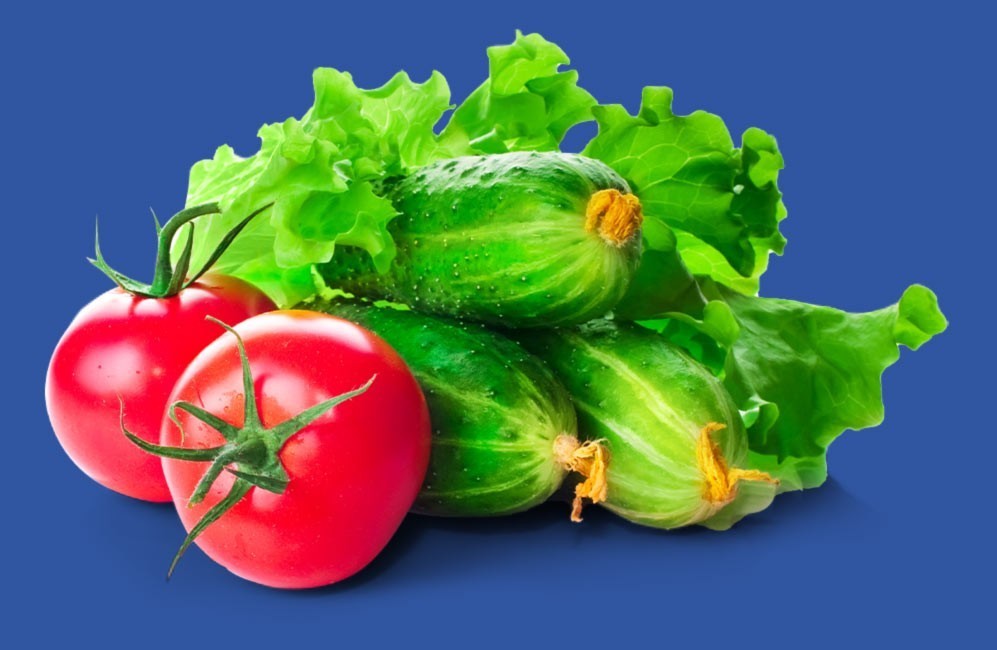
- Prioritizing fruit and vegetables, as well as fiber-containing foods
- Consuming coffee and food and beverages that contain calcium such as dairy products
- Reducing the consumption of sugar sweetened beverages and alcohol
- Avoiding smoking
- Avoiding eating processed meats
Professor Edward Giovannucci, a CUP Global collaborator and professor of nutrition and epidemiology at the Harvard T.H. Chan School of Public Health said:
The work by the Global Cancer Update Program in reviewing and synthesising the literature on the role of dietary and lifestyle patterns in relation to colorectal cancer risk and mortality represents an immense step forward in how healthy lifestyle habits are key to prevention of cancer.
The major advancement of this project is in the development of methods of synthesising the data on diet and lifestyle in a more holistic manner, rather than examining piecemeal specific components such as individual foods and nutrients.
These new findings strongly support that adopting a healthy pattern of diet, maintaining a healthy weight, staying physically active and embracing health-conscious habits, such as avoiding tobacco and moderating alcohol, are collectively associated with a lower risk of colorectal cancer.
Reducing the Risk of Breast Cancer
For breast cancer incidence and mortality, the panel assessed 84 research publications and recommended a DLP that includes:
- Maintaining a healthy weight and regularly taking part in physical activity
- Prioritizing fruit and vegetables and fibre-containing foods
- Lowering consumption of red and processed meats, and sugar sweetened beverages
- Avoiding alcohol and smoking
Dr. Dora Romaguera, CUP Global collaborator and Lead Researcher at the Health Research Institute of the Balearic Islands and the Physiopathology of Obesity and Nutrition Networking Biomedical Research Centre said:
Globally, breast cancer is the most common cancer among women. We have conducted the first comprehensive synthesis of the totality of the evidence on the associations between dietary and lifestyle patterns and breast cancer risk.
Our findings are strengthened by the robust approach to critically assessing the strength of the evidence as part of the Global Cancer Update Program.
This report provides evidence that by looking at our whole diet and the way we live, there are clear steps to recommend to women to lower their breast cancer risk. Importantly, this work highlights the greatest benefit is found when adhering to most aspects of a cancer preventative pattern simultaneously.
By looking at our whole diet and the way we live, there are clear steps we can take to minimize our risk of breast cancer.
Global Advice on Reducing Cancer Risk
In the report, the panel gave a range of recommendations on how to encourage populations around the world to adhere to healthy DLPs. Here are the suggestions:
- Policy tools such as price reductions or subsidies for healthier foods, or taxes on unhealthier foods could be used more by governments to benefit those on lower incomes and help governments reduce health inequalities.
- More needs to be done to enable people to exercise so that they can follow healthy cancer preventative DLPs, given that almost a third of the world’s population has insufficient levels of physical activity.
- There are major challenges that influence behaviour related to physical activity such as safety and accessibility concerns, which disproportionately affect those from Black and minority ethnic backgrounds, lower socioeconomic groups and those living with disabilities.
- Adhering to sustainable, healthy DLPs will have a positive impact on reducing greenhouse gas emissions by lowering levels of harmful nitrous oxide, generated from food production and agriculture.
Dr. Nigel Brockton, Vice President of Research at AICR said:
This report provides a framework for the public to adopt healthy diet and lifestyle patterns based on the strongest and most reliable research. For decades, the media have promoted sensational, often contradictory, stories focused on individual nutrients or “superfoods”; this report makes it clear that the combination of all of our dietary and lifestyle habits have the most substantial impact on our cancer risk and survival.
Dr. Giota Mitrou, World Cancer Research Fund’s Executive Director of Research and Policy, said:
This report outlines barriers and opportunities that exist, which could either prevent or help populations stick to a healthy dietary and lifestyle pattern. A cancer preventative Dietary and Lifestyle Pattern is paramount to sustaining healthy populations and we hope will have wider benefits for the health of our planet.
Our recommendations are applicable to all and should also be adapted to reflect specific cultural traditions and local contexts. Dietary and lifestyle changes are unlikely to be possible without wider societal policies that allow for better access to healthy foods and other health behaviours related to cancer prevention.