





Alice RD
 On this TV news clip today, you’ll hear me talk about foods many Americans may think are healthy, but actually come up short nutritionally. Knowing what foods to avoid isn’t enough though – what about foods that Americans are overlooking that actually pump up our health?
Here are my top 5 picks for underused and easy healthy foods that can fit into your cancer-fighting diet:
Sweet potatoes. Although we’re eating more sweet potatoes now than 10 years ago, Americans still only eat 1½ medium sweet potatoes per month on average. One medium sweet potato stays light at only 100 calories and is packed with fiber, vitamins A and C, potassium and magnesium.
- You can: Simply microwave or bake whole. Get creative and add a roasted slice to sandwiches. Or impress your friends with baked sweet potato fries.
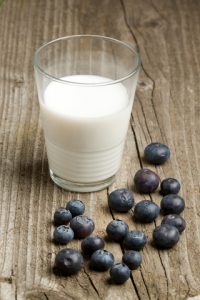
Milk. Americans drink a lot of sugary beverages, but less and less milk overall. Pour yourself a cup of lowfat milk for a quick snack that provides protein, calcium, vitamin D (fortified), potassium and riboflavin. There’s no prep and just one cup to wash.
- You can: Heat and add to coffee for Café au Lait; Blend with bananas, strawberries and ice for a easy morning smoothie.
Popcorn. Swap the high fat, high salt versions for air-popped corn. For 3 cups, at only 90 calories, you get a generous portion of fiber and a fair amount of magnesium. It’s a great way to satisfy a crunch craving.
- You can: add a couple tablespoons of nutritional yeast (look for it in the natural section of the grocery store; here’s a HuffPost Taste article about it) for a buttery flavor and extra protein.
Blueberries. Americans’ love of blueberries is growing, but we eat on average only about four cups of berries per year. Blueberries are rich in vitamins C and K and manganese. And they’re packed with cancer-fighting phytochemicals. They’re easy to find in the supermarket – produce section in the summer, in the freezer section in the winter.
- You can: add to green salads, yogurt, cereal, breads and pancakes. Here’s a delicious Blueberry Quesadilla.
Peanuts. These legumes are an inexpensive source of protein, the B vitamin folate and fiber and magnesium. We get most of our peanuts in the form of peanut butter and in candy. But they’re an easy snack at home or work – go for the unsalted or lightly salted version.
- You can: Add to salads, soups, stews, casseroles and stir-fries. Try this Carrot and Cabbage Slaw with Rice Vinegar Dressing and Peanuts.
What foods would you add to this list?