





AICR
Key Takeaways
- Natural compounds inspire modern medicine. Just as aspirin was developed from plant sources, current research continues to explore nature’s pharmacy for the next generation of cancer therapies.
- Many common plants, such as parsley, ginger and turmeric, contain compounds that are being studied for their potential to help prevent or treat cancer.
- More research is needed. While early results are promising, many plant compounds need to be studied in larger clinical trials before becoming part of standard cancer care.
Note: For educational purposes only. Some plant components can interact with medications including chemotherapy agents. Work with your healthcare team to make decisions about your personal medical needs.
Once upon a time, researchers discovered that a compound from willow bark was great for relieving pain. Fast forward, and now “aspirin” is a household word. The active ingredient in aspirin is salicylic acid, a compound that was originally isolated from the bark of willow trees.
Similarly, researchers discovered the Pacific yew tree has the potential to treat cancer. They developed paclitaxel (Taxol) as a result. Taxol kills cancer cells and is used to treat breast, ovarian and non-small cell lung cancer.
Researchers continue to explore plant compounds for their potential medicinal use in cancer treatment and prevention. In this blog, we’ll explore some plants that show promise in cancer prevention and treatment, such as parsley, turmeric and ginger.
The Power of Plants
Many common plants are used in cooking or as supplements and medications. The benefits come from their high antioxidant content or other potential bioactive components.
What is a bioactive component? A bioactive component is a naturally occurring compound in a plant that has a positive effect on human health. An example of a bioactive is carotenoids in carrots. Carotenoids can be converted into vitamin A in the body and are linked to eye health.
Curcumin from turmeric: This deep yellow spice can be used in curry recipes or to make turmeric tea. Its anti-cancer effects have been studied in breast and lung cancer. Results from early phase trials show promise for using curcumin to help prevent colorectal, oral and liver cancer. However, the findings from these early trials must be confirmed in larger studies.
Gingerol from ginger: Gingerol has been studied for its anti-tumor effect for colorectal, breast, ovarian and pancreatic cancers. It has antioxidant and anti-inflammatory properties and can help reduce nausea associated with chemotherapy. Make tea using fresh ginger, or add chopped ginger as a base for soup, salad dressing or stir-fries.
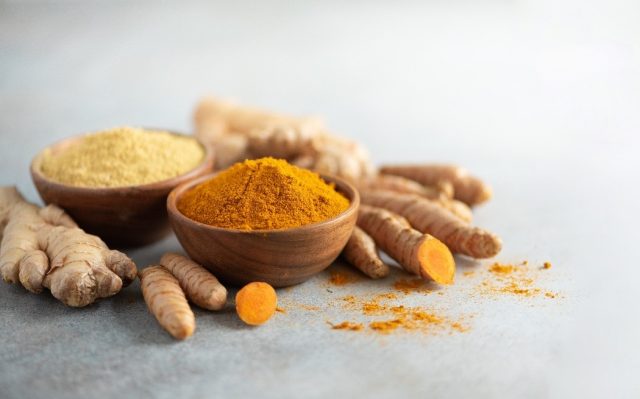 Ginger and turmeric
Apigenin from parsley: More than a garnish, the antioxidants in parsley have shown cytotoxic activities against breast and colon cancer cells. Laboratory studies suggest that apigenin may also help prevent cancer from developing by triggering an internal “cell clean-up” process called autophagy. Add handfuls of parsley to mixed green salads for some extra nutrients or sprinkle parsley on your favorite pasta dish.
EGCG from green tea: Epigallocatechin gallate (EGCG) is an antioxidant in green tea. Some studies have shown that green tea intake is associated with a moderate reduction in the risk of developing colorectal, stomach, esophageal and prostate cancers. Enjoy green tea as an afternoon pick-me-up or try a matcha (green tea powder) latte.
The Potential of Natural Products
These examples of beneficial plant compounds show the importance of preserving biodiversity and investing in research of natural products. As we face increasing cancer rates, natural products may hold solutions we’ve yet to imagine. Some of these plants are being made into potent medications being used to treat cancer. Others are recommended as ingredients in a healthy cancer fighting diet.
Bottom Line
Nature has long played a key role in medicine, and that tradition continues in cancer research today. From familiar kitchen staples like ginger and turmeric to green tea and parsley, many plants contain powerful compounds with potential anti-cancer effects. Some are already used in chemotherapy drugs, while others are being explored for their preventative benefits. As scientists uncover more about these natural products, they may help shape the future of cancer treatment and prevention.
Ongoing research into these and other plants offer hope for new treatment options. At the American Institute of Cancer Research (AICR), we’re committed to exploring innovative approaches to cancer care.