



Cara Rosenbloom, RD
Key Takeaways:
- Muscle loss during cancer treatment is common. Since it affects quality of life, makes treatment harder to tolerate and contributes to poorer outcomes for many people with cancer, it is an area of ongoing research.
- Exercise may play a role in protecting muscle during cancer. AICR-funded research is exploring how physical activity may help patients maintain strength during treatment.
- AICR support is advancing hope for patients and future scientists. Through donor-funded research, scientists like Dr. De Lisio are building knowledge that could improve survival, quality of life and cancer care for years to come.
Staying strong during cancer treatment can make a world of difference. Maintaining muscle helps patients tolerate treatment and enjoy better quality of life. But for many, loss of body weight and muscle, known as cachexia, is a serious problem. Cachexia contributes to nearly one-third of all cancer-related deaths.
Dr. Michael De Lisio Is Determined to Change This
Dr. Michael De Lisio, PhD, Associate Professor of Human Kinetics and Cellular & Molecular Medicine at the University of Ottawa, is an AICR grantee. His research as the director of the Exercise is Regenerative Medicine Lab is uncovering why patients with cancer lose muscle and how exercise may help prevent this loss.
“Maintaining muscle plays an important role in cancer survival,” says Dr. De Lisio. “Unfortunately, there are no treatments for this condition available, mostly because we don’t fully understand what causes cachexia.”
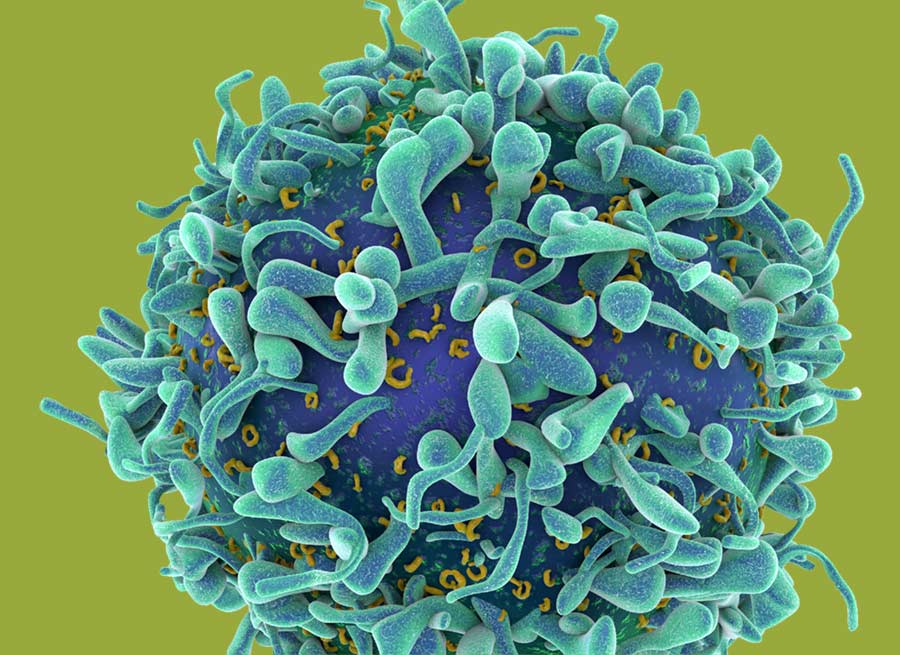
Dr. De Lisio explains that a relatively rare population of cells inside muscle may be the first responders to a cancerous tumor and initiate the cachectic process. These cells are called fibro/adipogenic progenitors (FAPs). They act like coaches in muscle by communicating with other cells and influencing their behavior.
“In cachexia, FAPs change how they communicate, which makes all the other cells in muscle behave in a way that promotes muscle loss,” says Dr. De Lisio.
Using mouse models, Dr. De Lisio’s team is testing whether exercise training can reverse some of these defects in FAPs to help maintain muscle mass. If successful, this could open the door to exercise strategies that may help improve strength and survival.
Project Number: 1290989
Funding Type: grant
Amount: $165,000 USD
Awarded: 2025
Up to 80 percent of cancer patients experience severe muscle wasting that limits treatment, decreases quality of life and reduces survival. Unfortunately, there are currently no effective treatments available.
Muscle repair and maintenance require specialized cells called fibro/adipogenic progenitors (FAPs) to coordinate other cells and direct healthy muscle repair. This project will use clinically relevant cancer and exercise models to examine the mechanisms by which exercise may help regulate FAPs to reduce muscle wasting. Dr De Lisio hopes these insights will improve treatment delivery, increase quality of life and improve survival in cancer patients.
A Career Dedicated to Research

Dr. De Lisio’s passion for this work is rooted in personal experience. When he launched his lab in 2013, he had several close personal experiences with cancer. Although he hadn’t trained specifically in cancer research, a mentor encouraged him to have the confidence to dive in. He has been dedicated to the field ever since.
This is the third project AICR has funded in Dr. De Lisio’s lab. Earlier studies showed how exercise supports cancer prevention and improves quality of life. On tough days in the lab, he finds motivation by thinking of the patients who could one day benefit from his discoveries. Outside of work, you can often find him at the hockey arena, either coaching his son’s team or playing himself. He also enjoys golf, travel and of course, regular exercise.
AICR Support
Thanks to the generosity of donors, Dr. De Lisio’s work is helping build a future where cancer patients can stay stronger, live longer and face treatment with greater resilience.
“We are extremely grateful to AICR’s donors,” says De Lisio. “Their support has a direct impact, not only on the lives of cancer patients today, but also on the future of cancer research through the students we train.” AICR funding has allowed De Lisio to train the next generation of scientists, including 10 graduate students and several undergraduates, who will continue advancing this important field.