




Cara Rosenbloom, RD
Key Takeaways
- Snacks make up about one-third of daily calories, so the choices you make can have a big impact on your health.
- Choose fewer treats like chips, candy and pastries. Choose more snacks made from whole foods, such as vegetables, fruits, yogurt and nuts.
- This blog includes 30+ snack ideas from dietitians. All snacks are rich in protein and fiber. This winning nutrient duo helps you stay full longer and provides lasting energy between meals.
Snacking is a smart way to fuel your body and keep your energy steady throughout the day. The right snack helps bridge the gap between meals and adds more nutrients to your diet. The key is choosing snacks that do more than just satisfy a craving.
Grocery stores are lined with convenient snack option such as candy bars and chips, but these should be considered treats, not snacks. Eating lots of treats contributes to weight gain, which is linked to a higher risk of developing at least 13 different kinds of cancer.
Research shows that snacks provide about one-third of the average person’s daily calorie intake, so it makes sense to choose nourishing foods instead of sugary or salty treats. Instead of chips and candy, choose nutritious whole foods, such as vegetables, fruits, yogurt, whole grains and nuts. There are so many tasty and nourishing combos using these staple ingredients.
Here’s a guide to choosing healthy snacks, plus a list of 30 favorite snack ideas from dietitians.
What Is a Healthy Snack?
“You can’t go wrong with a P+P combo for balance,” says dietitian Bridget Reiter, MS, RDN. “That means protein + produce in your snack.” The produce refers to vegetables and fruits, which provide filling, satiating fiber to your diet.
A snack combination with protein and fiber helps you feel full for longer, so you are less likely to keep snacking or overeat. As a bonus, when you choose protein and produce, you also get a host of vitamins and minerals that support your health. For example, some great combinations include:
| Protein | Produce | Bonus vitamins and minerals |
| Hummus | Carrots | Vitamin A and iron |
| Peanut butter | Banana | Potassium and vitamin B6 |
| Yogurt | Berries | Calcium and vitamin C |
| Eggs | Cucumber | Vitamin K and vitamin D |
| Cottage cheese | Cantaloupe | Vitamin A and calcium |
What Do Dietitians Snack On?
AICR asked dietitians about their favorite snacks. We learned what they eat between meals and what they recommend to their clients. Here are the top snack ideas that emerged.
Protein from Dairy and Eggs
Dietitians know that protein is filling and satisfying, so protein-rich yogurt, cottage cheese, eggs and cheese were frequently suggested as key snack ingredients. Here are some tasty combinations that dietitians love:
- Greek yogurt parfait with low-sugar granola and fresh berries: Kristi Ruth, RDN, CNSC, LDN
- Refried beans on a corn tortilla, topped with a sprinkle of melted cheddar cheese: Wendy Kaplan, MS, RDN, CSO, CDCES, CDN
- Cottage cheese with salsa, diced avocado, pumpkin seeds and a sprinkle of nutritional yeast: Brenna Howsepian, RDN, CDCES
- Apples dipped in whipped cottage cheese with sunflower seeds: Jordan Robison, MS, RD, CSO, LD
- Skyr (thick Icelandic) yogurt with diced strawberries: Erika Wong, MS, RDN
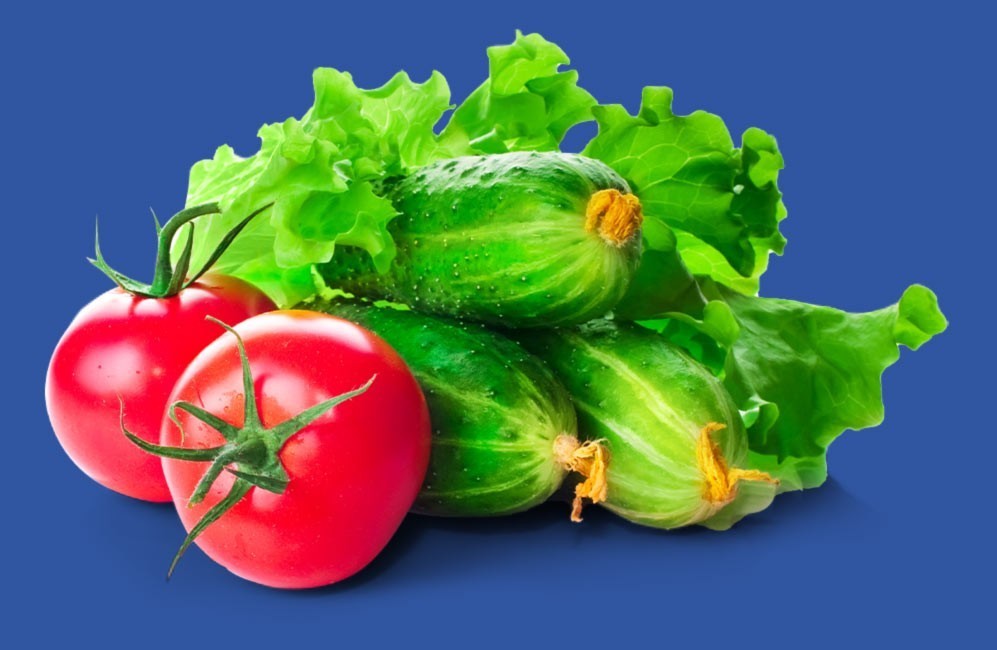
- Everything bagel seasoning on hard boiled eggs and cucumber slices: Rachel White, RD, LD
- Cottage cheese mixed with pesto and halved cherry tomatoes: Leigh Parker, RDN
- Apple slices with Pepper Jack cheese: Karen Becher, RD, LD
- Blended cottage cheese and ranch seasoning paired with vegetables: Taylor Janulewicz, RDN
- Greek yogurt mixed with peanut butter powder and topped with fruits: Jessie Carpenter, MA, MS, RD, LD
- Diced cucumber, halved cherry tomatoes and mozzarella pearls with balsamic vinegar: Chelsea Hardy, MS, RD, LD
- Grapes and cheese, such as gouda or cheddar: Brittany Lear, MS, RD, LD, CNSC
- Low-fat cottage cheese with seasonal fruits like blueberries, strawberries or cantaloupe: Lisa Andrews, MEd, RD, LD
- Whole grain English muffin with cottage cheese, vine-ripened tomatoes and balsamic glaze drizzle: Cassandra Padula Burke, MFS, RDN, LD
Plant-based Options
Some dietitians choose snacks that are entirely plant-based, which means the ingredients contain no animal-based foods such as meat, dairy or eggs. These snacks are nutrient-rich from chickpeas, beans, nuts, seeds, vegetables and fruits, and still contain the winning protein and fiber combo. Try any of these:
- Popcorn topped with herbs mixed with crunchy roasted chickpeas: Meghan Laszlo MS, RD, CSO
- Cucumbers or colorful peppers with hummus: Cheryl Harris, MPH, RD
- Dates or dried figs with almonds: Karen Vincek, MS, RD, LD
- Air fried spicy chickpeas with cucumbers: Moushumi Mukherjee, MS, RDN
- Homemade trail mix: air popped popcorn, roasted chickpeas and walnuts: Lori Bumbaco, MS, RDN, CSO, LDN
- A scoop of protein powder with canned pumpkin purée and granola: Avery Zenker, RD, MAN
- Crunchy peanut butter on dried dates: Rosie Schwartz, RD, FDC.
AICR says: Almost 20 years ago, AICR began promoting a plant-based diet for cancer prevention. AICR developed the New American Plate, a plate filled with at least 2/3 plant foods such as vegetables, fruits, grains and legumes, and 1/3 or less proteins, which can come from tofu, fish, poultry or red meat (occasionally).

AICR’s New American Plate
Enjoy Fruits and Vegetables
Many Americans don’t get enough vegetables and fruits, so adding these ingredients to snacks is a great way to sneak in an additional serving or two. Try these dietitian favorites:
- Dry roasted edamame with crisp cucumber and fresh herbs: Vandana Sheth, RDN, CDCES, FAND
- Bell peppers dipped in hummus or guacamole: Brianne Okuszka, MPPD, RDN
- Apple with peanut butter or almond butter: Talia Hauser, RD, LDN
- Edamame pods or roasted edamame paired with tangerines, Asian pear or other seasonal fruits: Cindy Chou, RDN, chef
- Hummus with roasted sweet potato wedges or sliced cucumbers: Meena Jayabalan, MS, RD, CSO
- Crispy baked apple slices with chocolate hummus: Maureen Breaux, RDN, LDN
- Whole grain bread with peanut butter, banana and chia seeds: Alyssa Smolen, MS, RDN, CDN
Have Fun with It
You can use many of these basic ingredients in new and interesting ways, which keeps your snack options exciting and fun (and nutritious).
Anne Mahon, RDN, MSPH, says she loves the creamy, crunchy sweetness of the classic children’s snack known as ants on a log. “The combination of raisins and peanut butter on celery comes with a happy dose of childhood nostalgia,” says Mahon.
Another “feel like a kid again” option came from Stacy Davis, RD, LDN. She makes a dip using cottage cheese, cocoa powder and dates, which is reminiscent of chocolate pudding or mousse. She then pairs it with sweet strawberries, banana or apple.
Dietitian Bonnie Taub-Dix, RDN, knows that healthy eating can taste good and be good for you. “It’s hard to resist a toasted whole-grain waffle topped with a smear of crunchy almond butter and fresh raspberries,” she says of her preferred snack choice.
And dietitian Tracy Cardelli, RD, LD, recommends an innovative twist on an old classic. She adds peanut butter onto banana slices, then pops them in the freezer for a few hours for a cold treat. It’s a new texture, but the same nourishing ingredients. Experiment and have fun.
Avoid Snacking Pitfalls
Sticking with nourishing snacks is a winning idea. Items like fruits and yogurt are better choices than ultra-processed foods such as candy, salty snacks, baked goods and chocolate.
But even nutritious whole foods can lead to weight gain over time if portion sizes are too large or snacks are eaten too frequently. Most of the snacks listed above have 150–250 calories, give or take. Dietitians may recommend snacks once or twice per day, depending on your personal needs, medical conditions and health goals. You can work with a dietitian to figure out what works best for you.