





When you include the American Institute for Cancer Research in your estate plans, you make a major difference in the fight against cancer.

Corporate Champions who partner with the American Institute for Cancer Research stand at the forefront of the fight against cancer

40 Years of Progress: Transforming Cancer. Saving Lives.

Innovative Projects Made Possible by Your Generosity

Cancer Update Program – unifying research on nutrition, physical activity and cancer.

Read real-life accounts of how AICR is changing lives through cancer prevention and survivorship.

We bring a detailed policy framework to our advocacy efforts, and provide lawmakers with the scientific evidence they need to achieve our objectives.

AICR champions research that increases understanding of the relationship between nutrition, lifestyle, and cancer.

Are you ready to make a difference? Join our team and help us advance research, improve cancer education and provide lifesaving resources.

AICR’s resources can help you navigate questions about nutrition and lifestyle, and empower you to advocate for your health.

Research Projects > 2024 Grantees

Harnessing γδ T-cell Therapies with Exercise to Treat Multiple Myeloma

Research Type: Colorectal Cancer

Project Description

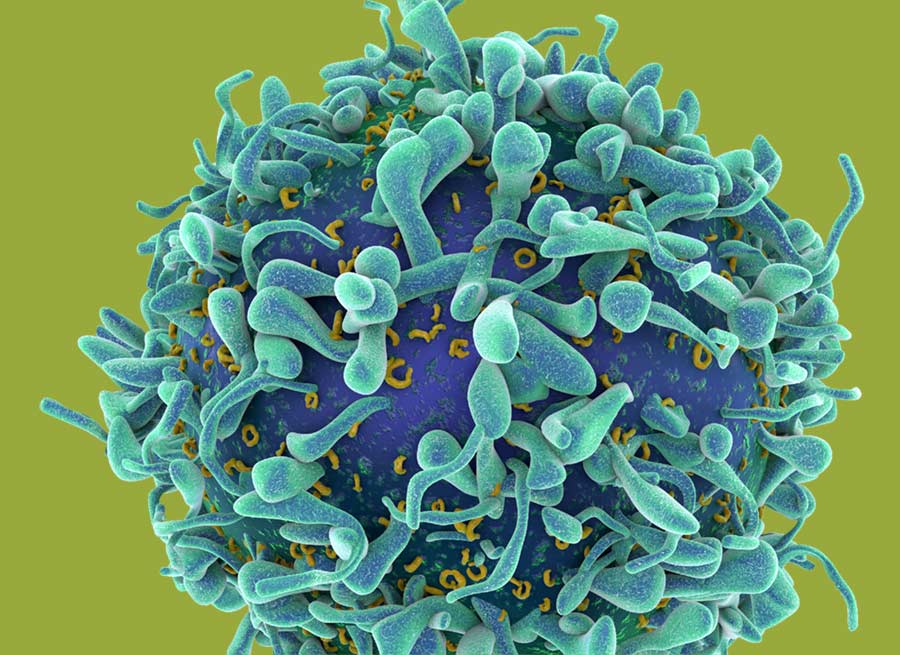
Multiple myeloma is a serious type of blood cancer that affects nearly 200,000 people worldwide. Even though treatments have improved, this cancer is still difficult to treat, especially when patients stop responding to current therapies. Scientists are now studying how exercise can strengthen the body’s immune system to fight cancer cells more effectively. Previous studies have shown that just one session of exercise can increase the number and strength of a rare type of immune cell called γδ (gamma-delta) T-cells in the body. Dr Baker’s project aims to use exercise to improve the function of γδ T-cells, which can attack and kill cancer cells, including multiple myeloma cells. Dr Baker will collect immune cells from healthy people before and after a short cycling workout and also collect cells from multiple myeloma patients and then grow and test these cells against different types of multiple myeloma cells in the lab.

More News & Updates