



Research Type: Leukemia
Project Description
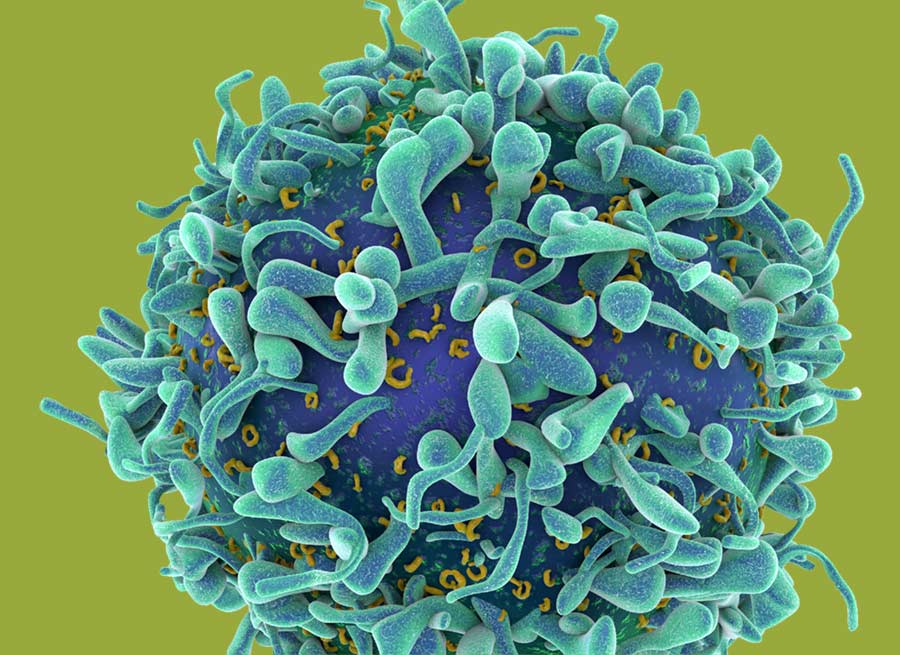
This study focuses on understanding the role of dietary selenium to improve the treatment of acute myeloid leukemia (AML). Relapse of AML is driven by stubborn cells called leukemia-initiating stem cells (LICs); these cells can survive even after many rounds of treatment. A previous grant from AICR helped show that these stubborn cells are regulated by a ‘molecular switch’ called GPR44. This switch responds to natural compounds in the body called prostaglandin-J2 (PGJ2). Higher dietary selenium intake leads to higher levels of PGJ2 in the blood and this leads to the activation of the GPR44 “switch”, which helps kill cancer cells.