




Karen Collins
Q: I’m following a heart-healthy diet. How can I adapt that for cancer prevention?
A: Eating for heart health and cancer prevention aren’t as different as you may think. We used to think about heart disease and cancer as having separate risk factors, but now we know that just as tobacco increases risk of both, eating and physical activity habits also affect risk of both.
Research now shows that heart health means much more than cholesterol levels and blood pressure. It involves the whole environment within blood vessels. By avoiding elevated insulin levels and excess inflammation, you can promote heart health and bypass key drivers of cancer development.
Limiting saturated fat is part of heart-healthy eating. But what you eat instead matters – both for heart health and cancer risk!
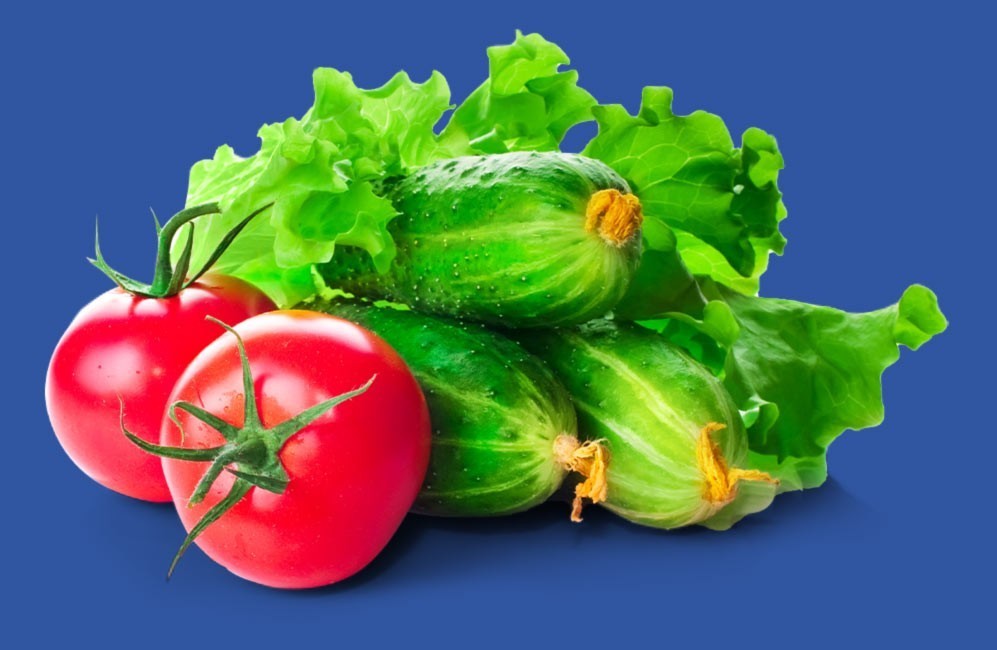
Focus your eating around vegetables, fruits, whole grains, beans and nuts. Their nutrients, natural plant compounds (phytochemicals) and dietary fiber work together to reduce inflammation and insulin resistance, and prevent or repair damage to cells that can lead to cancer. These plant foods will also help you fill up without excess calories.
Look Beyond Fat Content. Focusing only on fat content can get you off track when it comes to meat choices. Even though some cuts of red meat are lean, overdoing on red meat increases risk of colorectal cancer. The risk seems related to other components of meat, such as the form of iron it provides or its effect on gut bacteria.
Emerging evidence suggests that too much red meat may not be heart-healthy either, so following AICR’s recommendation for no more than 18 ounces a week may be protective on both fronts.
Limit, Avoid Processed Meats. Recommendations for heart health and cancer prevention emphasize strongly limiting processed meats. Even when they’re lean, high sodium is not blood pressure-friendly, and compounds formed in smoked meats and from added preservatives increase risk of colorectal and stomach cancers.
Cut the Excess Calories. Limit how often you have foods or beverages that are low in nutrients and high in sugar, since calories can add up quickly, making it harder to maintain a healthy weight. Big loads of sugar (especially easy to get in sugar-sweetened drinks) can raise heart risk factors even outside of weight gain.
And no matter how healthy the food, eat portions that help you reach and maintain a healthy weight. Excess body fat, especially around the waist, can lead to inflammation and elevated insulin levels that lay the groundwork for heart disease and cancer.
Keep Your Alcohol Moderate, If You Drink. Moderate alcohol — up to one standard drink a day for women, or up to two for men — is associated with lower risk of heart disease. A standard drink means 12 ounces of beer or 5 ounces of wine, for example. Alcohol beyond moderate amounts link to high blood pressure and increased heart disease risk.
Yet alcohol metabolizes into a compound that can cause cancer, and alcohol affects cancer-related hormones in women. For cancer prevention, it’s important to stick with the limits of moderation. Especially with breast cancer, any amount increases risk to some degree. So drinking even less is better.
Find Smart Swaps. A plant-based diet is the bottom-line for eating habits that promote heart health and lower cancer risk. Here are some tips that can help:
- Avoid excess sugar and calories by using unsweetened fruit as a topping on unsweetened yogurt or a modest portion of cereal, adding sweet flavor and filling power.
- As an alternative to sugary drinks, choose seltzer flavored with fruit essence, or add slices of fruit to club soda.
- Replace red meat in a couple meals each week with fish or seafood, and add a few more meatless meals, making sure that you include beans, lentils or some other source of protein.
Whether you limit portions of meat or avoid it, you make room for the vegetables, fruits, whole grain and beans that provide a bevy of ways to promote healthy blood vessels and cancer prevention.
AICR HealthTalk is a monthly blog post by Karen Collins, MS, RDN, CDN.